Keynote vs Workshop vs Breakout: Which Fits?
Quick answer: Keynote vs workshop vs breakout comes down to your goal. A keynote speaks to the whole room to set direction, usually in 30 to 60 minutes. A workshop is longer and hands on, built for practice. A breakout is a smaller, focused session people choose. Pick a keynote for shared belief, a workshop for skills, and breakouts for choice.
Planners ask me some version of this all the time: "Do we want you for a keynote, a workshop or a breakout?" The honest answer is that it depends on what you need your people to walk out with. So let me lay out keynote vs workshop vs breakout session in plain terms, along with the other formats I offer, and help you match the format to your goal.
Keynote vs workshop vs breakout: what is the difference?
The difference is audience size, length and purpose. A keynote is for everyone at once and sets the message. A workshop is for doing, with exercises and practice. A breakout is a smaller session people choose, usually one of several running at the same time.
- Keynote. Whole audience, main stage, usually 30 to 60 minutes. Purpose: shared belief, energy and direction.
- Workshop. Smaller or mid sized group, 90 minutes up to a full day. Purpose: skills, practice and a finished piece of work.
- Breakout session. Smaller room, often 30 to 60 minutes, several at once. Purpose: choice and depth on a specific topic.
When should you choose a keynote?
Choose a keynote when you need everyone to hear one message at the same time. Keynotes are best for launching a theme, opening or closing a conference, kicking off a sales year, or rallying a church around a vision.
A keynote has to earn its spot, though. Freeman research reported by PCMA's Convene found that only about half of participants attend their event's primary keynotes, and that 47% of attendees agree keynotes strongly contribute to the value they get from an event (PCMA, "Are You Putting the Right Voices on the Stage?"). That tells me two things. Put your keynote in a slot people will actually attend, and book a speaker who builds the message for your room.
My keynotes are custom themed to every event and run 30 to 60 minutes. Every one ends with the Mirror Moment, a live commitment the whole room makes on their phones, so the energy turns into a decision before people leave their seats.
When is a workshop the better choice?
A workshop is the better choice when you want people to leave with something built, not just something heard. If your goal is a skill, a plan or a habit, people need time to practice it with help in the room.
Workshops work well for leadership teams, business owners, sales teams and ministry staff. One of my workshop topics is Business Building and Operational Infrastructure, drawn from my book, The Purpose-Driven Business Builder's Blueprint: the systems, habits and order of operations that let a business or team grow without burning out its leader.
Many events pair a keynote with a workshop. The keynote creates the "why." The workshop builds the "how." That is the idea behind my Build Until Experience package: a keynote, a hands on workshop, a book for every attendee and a 30 day virtual follow up.
When do breakout sessions make sense?
Breakout sessions make sense when your audience has different needs and you want to let them choose. A conference with pastors, business owners and creatives in the same building can serve each group better with breakouts after a shared keynote.
Breakouts also give attendees a closer, more personal room, which means more questions and more conversation. A long running planner guide from the National Association of REALTORS, adapted from the National Speakers Association, reminds planners to make sure a speaker's material fits the time slot they are given (NAR, "10 Tips for Finding and Delivering the Right Speaker"). A 30 minute breakout should not be a keynote squeezed into a smaller room.
What about fireside chats, panels, sermons and emcees?
Fireside chats, panels, sermons and emcee roles each solve a different problem, and they are worth considering alongside the big three:
- Fireside chat or panel. A conversation instead of a speech. Great for audience questions and multiple voices.
- Sermon. For a Sunday service or a church conference session. I am a minister and speak at churches, ministries and nonprofits.
- Emcee or event host. Someone who runs the room, keeps the program on time and sets every speaker up to win. I have emceed church events and services for years and bring the same care to conferences and multi day events.
- Virtual. A keynote or workshop delivered online for remote or hybrid audiences.
Can one speaker do more than one format at the same event?
Yes, and it is often the best value. A speaker who keynotes in the morning and leads a breakout or workshop in the afternoon can take the main idea deeper with the people who want more. It also saves you a second round of travel costs.
How do costs differ between formats?
Costs usually rise with length and preparation, so a breakout costs less than a keynote and a full day workshop costs more. Here are my starting fees by format:
- Breakout or short talk: $1,500
- Keynote, Hampton Roads: $2,500
- Keynote with travel: $3,500 plus travel
- Half day workshop: $4,000
- Full day workshop: $6,000
- Virtual keynote: $1,500
- Emcee or event host: $1,500 per day
Ministry and nonprofit rates are available. For the full picture, including what is included and how travel works, see how much a keynote speaker costs.
What mistakes do planners make when choosing a session format?
The most common mistake is booking a keynote when the goal is really a skill, then wondering why nothing changed. A keynote can light the fire, but people rarely learn a new process in 45 minutes of listening. If you want them to do something new, give them time to practice.
Other mistakes I see planners try to avoid:
- Squeezing a workshop into a breakout slot. Exercises need time. A rushed workshop feels like a lecture with homework.
- Scheduling the keynote against lunch or a networking hour. Put it where people will be in their seats.
- Too many breakouts. When there are eight rooms and twelve people in each, energy disappears.
- No break between formats. People need a few minutes to move rooms and reset.
How do you decide which format fits your goal?
Decide by finishing this sentence: "When people leave, I want them to..." Then use this quick guide:
- If the answer is believe or commit to something together, book a keynote.
- If it is be able to do something new, book a workshop.
- If it is go deeper on what matters to them personally, plan breakouts.
- If it is hear several perspectives, plan a panel or fireside chat.
- If it is enjoy a program that runs on time, book a strong emcee.
Planning a sales event? My list of sales kickoff keynote ideas shows how a keynote and workshop can work together. And if you would like help choosing, book an Event Theme Call. In 30 minutes I will learn your goal, then send you package options that fit it. Every format and AV note is also in my planner and media kit.
Frequently asked questions
What is a breakout session at a conference?
A breakout session is a smaller, focused session that usually runs at the same time as other sessions, so attendees choose the topic that fits them. They often run 30 to 60 minutes and allow more questions and conversation than a keynote.
How long is a keynote speech?
Most keynote speeches run 30 to 60 minutes. Shorter keynotes fit packed agendas, while 45 to 60 minutes allows a full story, a framework and a strong close.
What is the difference between a workshop and a seminar?
A workshop is hands on, with exercises and practice so people leave with something built. A seminar is usually more lecture and discussion. Many events use the words loosely, so ask the speaker how much of the time is spent doing.
Is a keynote speaker more expensive than a breakout speaker?
Usually, yes, because a keynote is longer and reaches the whole audience. My breakout or short talk starts at $1,500 and my keynote starts at $2,500 in Hampton Roads, Virginia.
What is a fireside chat at an event?
A fireside chat is a guided conversation on stage between a host and a speaker instead of a prepared speech. It feels more personal and works well for audience questions and real stories.
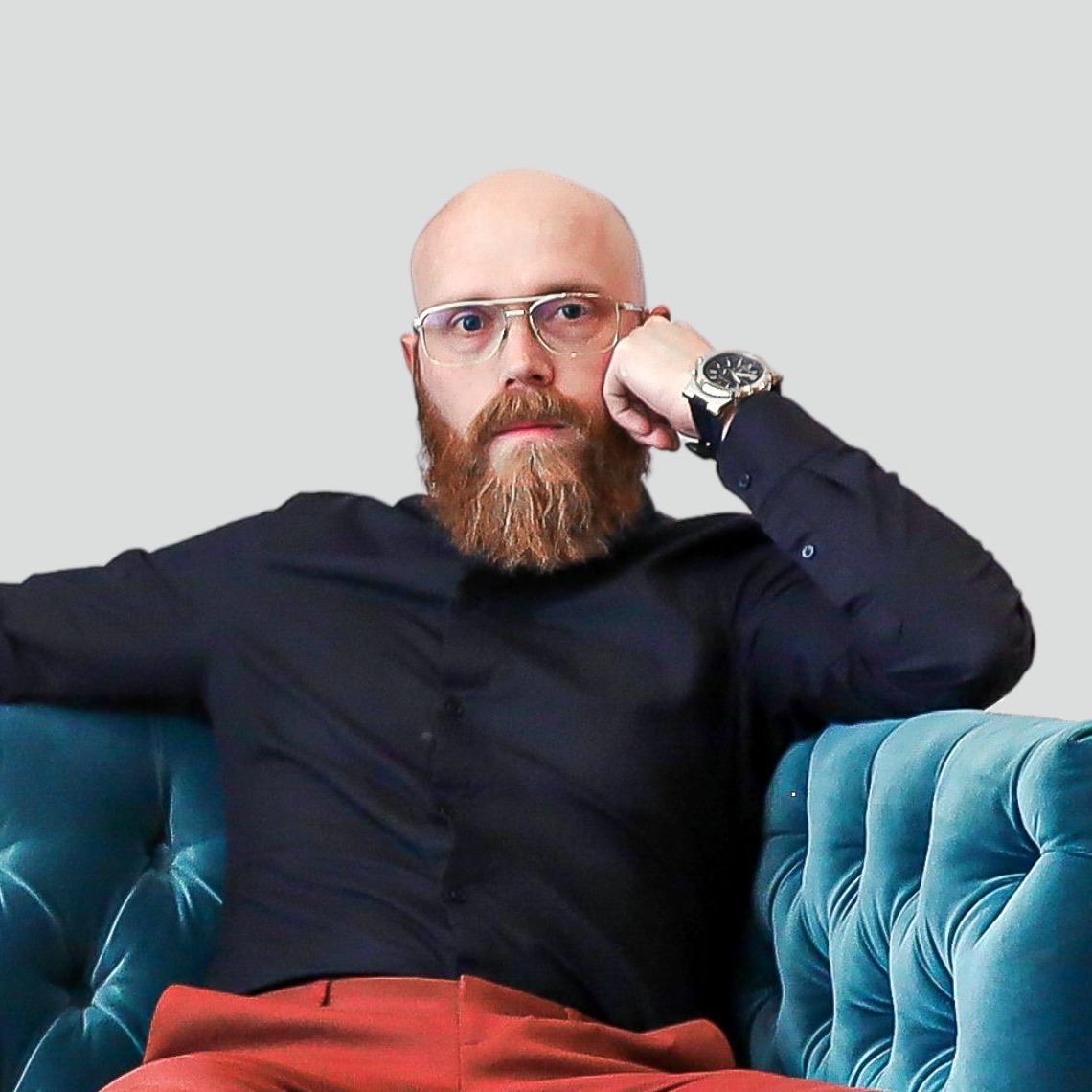
Jesse Wood
Christian keynote speaker, author of The Purpose-Driven Business Builder's Blueprint and host of The Jesse Wood Show.
Let's build your theme together.
Share your theme, audience and three times that work. I confirm a 30 minute Event Theme Call within one business day, then send a custom title, description and takeaways.